Menopause Is More Than Hot Flashes: Understanding Pain, Strength & Your Changing Body
This Menopause Awareness Month, we're talking about something that doesn't always get the attention it deserves: pain.
Aches, stiffness, sore joints, muscle discomfort and the feeling that your body suddenly needs a little more recovery than it used to are often accepted as “just a part of aging.” But if you've noticed changes like these during perimenopause or menopause, you're not imagining them—and you're not alone.
For 2026, the International Menopause Society has chosen Chronic Pain at Midlife as the theme for World Menopause Day, highlighting the need for greater recognition, research and evidence-based care for pain during and after the menopause transition.
It's an important conversation because menopause is more than the end of menstruation or hot flashes—it's a whole-body transition.
Your body is changing. That doesn't mean it's breaking.
Menopause can bring a surprisingly wide range of physical and emotional changes. Alongside familiar symptoms like hot flashes and night sweats, some people going through the menopause transition may also experience:
- Joint and muscle aches or stiffness
- Changes in sleep
- Fatigue
- Mood changes and irritability
- Brain fog
- Changes in body composition
- Vaginal and urinary symptoms
Not everyone experiences the same symptoms, and some people experience very few. There is no single “normal” menopause experience.
And that matters, because your experience doesn't need to look like anyone else's to be valid.
Why might pain change around menopause?
The menopause transition involves significant changes in reproductive hormones, particularly estrogen. At the same time, midlife can bring changes in muscle mass, activity levels, sleep, stress and recovery. Together, these changes may influence how your body feels and recovers.
But it's important not to assume that every new ache or pain is simply “part of menopause.” Persistent, severe or unexplained pain deserves appropriate attention and should be discussed with a healthcare professional.
The International Menopause Society is calling for chronic pain at midlife to be recognized as an important part of menopause care, with individualized approaches to assessment and treatment.
Supporting your joints through midlife
If joint discomfort has become part of your experience, there are ways to support your joints while staying active and doing the things you love.
MARINE COLLAGEN + CO-FACTORS provides hydrolyzed marine collagen alongside whole-food derived vitamin C and silicon. Collagen is a structural protein found throughout the body, including in connective tissues, and taking MARINE COLLAGEN + CO-FACTORS daily helps manage joint pain.
Strength is a longevity essential
Supporting your joints is one piece of the bigger picture. Building and maintaining strength is another.
Muscle isn't just about how much you can lift. It supports movement, balance, independence and everyday life. Maintaining muscle and staying physically active also become increasingly important as we age.
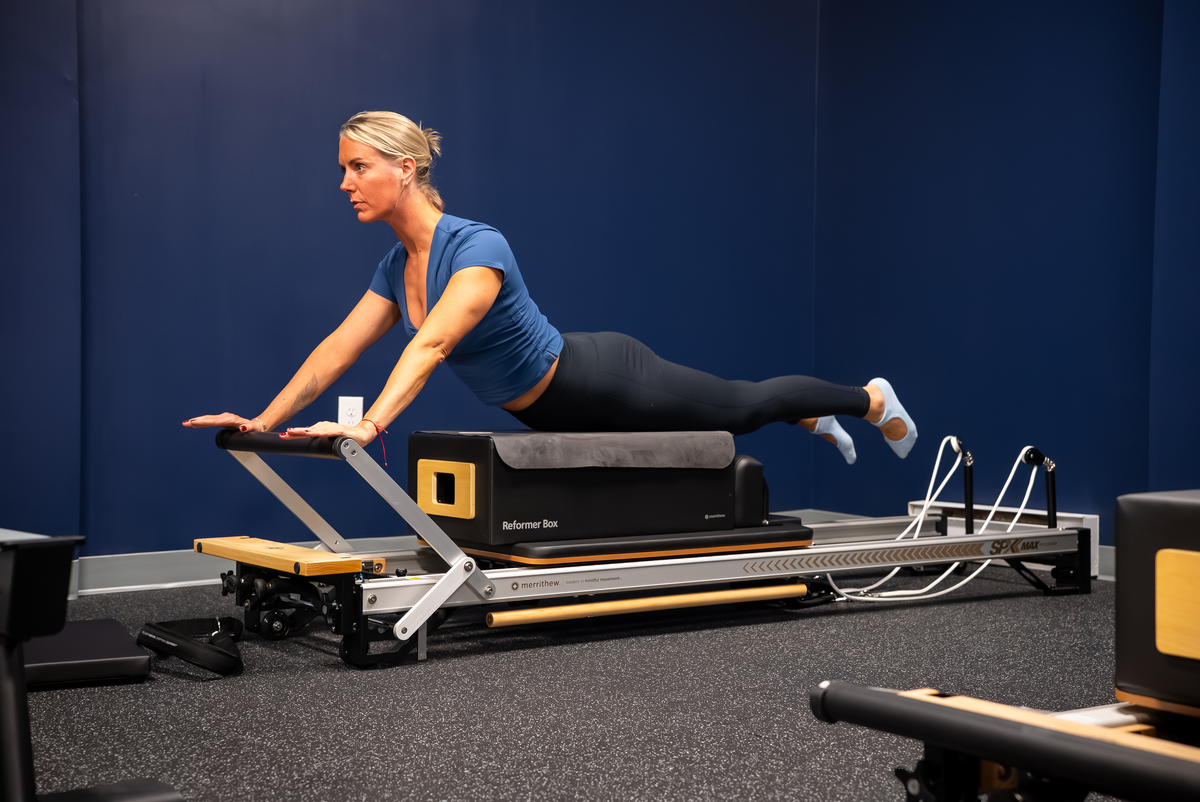
And strength doesn't have to mean spending hours in a gym. It can look like lifting weights, carrying groceries, climbing stairs, practicing yoga or Pilates, going for a walk, or playing with your kids or grandkids.
The goal isn't to turn back the clock. It's to stay capable, resilient and strong for the life you're living now, and the life ahead.
Making movement and recovery part of your regular routine can be an important investment in long-term strength. Regular strength-building activity, adequate protein and fibre, hydration, sleep and recovery all play a role in supporting muscle health as we age.
Small, consistent choices today can help create a stronger foundation for the years ahead.
Sleep and stress shouldn't be underestimated
Sleep can become particularly challenging during perimenopause and menopause. Hot flashes and night sweats can interrupt sleep, while stress and hormonal changes may make it harder to settle or stay asleep. Sleep disruption can then affect energy, mood and how well you cope with everyday stress.
This is where small, consistent rituals can make a difference. Try keeping a regular sleep schedule, creating a calming wind-down routine, keeping your bedroom cool and limiting caffeine later in the day.
And don't forget stress management. Breathing exercises, meditation, yoga, time outdoors, social connection and simply creating space for yourself can all become part of a more intentional approach to wellbeing.
For those looking for additional support, INNER HARMONY combines KSM-66 Ashwagandha® with complementary ingredients designed to support the body's response to stress and help improve sleep quality.
Don't normalize suffering
There's an important difference between accepting that your body is changing and accepting that you have to suffer through it.
Menopause symptoms can be mild, significant or somewhere in between. Some people find that lifestyle changes are enough, while others benefit from nonprescription or prescription approaches—or a combination of strategies.
If pain, sleep disruption, hot flashes, mood changes or other symptoms are affecting your quality of life, talk with a healthcare professional. You deserve to have your symptoms heard and to understand the options available to you.
A new way to think about midlife
For a long time, menopause was framed around loss: loss of hormones, fertility and youth.
We're ready for a different conversation.
Instead of focusing on loss, midlife can be a time to become more informed about your body and curious about your evolution.
Take time to understand what you need—it's okay if that looks different today than it did yesterday. Prioritize strength and maintaining muscle mass. Pay attention to your health, and if something doesn't feel right or changes in your quality of life, seek support from a healthcare professional.
And perhaps most importantly, define what wellness looks like for you. It will look different for all of us, and you don't have to adopt a definition that doesn't fit.
Perimenopause and menopause can be challenging transitions, but they aren't the end of your best years. They're new chapters in a beautiful, changing life. And with greater awareness, better research and more options for support, we're entering a new era of menopause care.
Knowledge is power, and you don't have to navigate this chapter in silence.